AI video models are evolving rapidly, but most systems are still built for single-purpose tasks. Many models specialize only in video generation, while others focus solely on video understanding or editing. As a result, real-world video workflows often rely on multiple disconnected tools, increasing complexity and limiting creative flexibility.
UniVideo introduces a fundamentally different approach. It is a unified video foundation model that can handle video understanding, video generation, and video editing within a single framework. By unifying these capabilities, UniVideo enables more consistent results, simpler workflows, and stronger generalization across video tasks.
If you are new to UniVideo, you can start with the official overview on
👉UniVideo AI
UniVideo Capabilities at a Glance
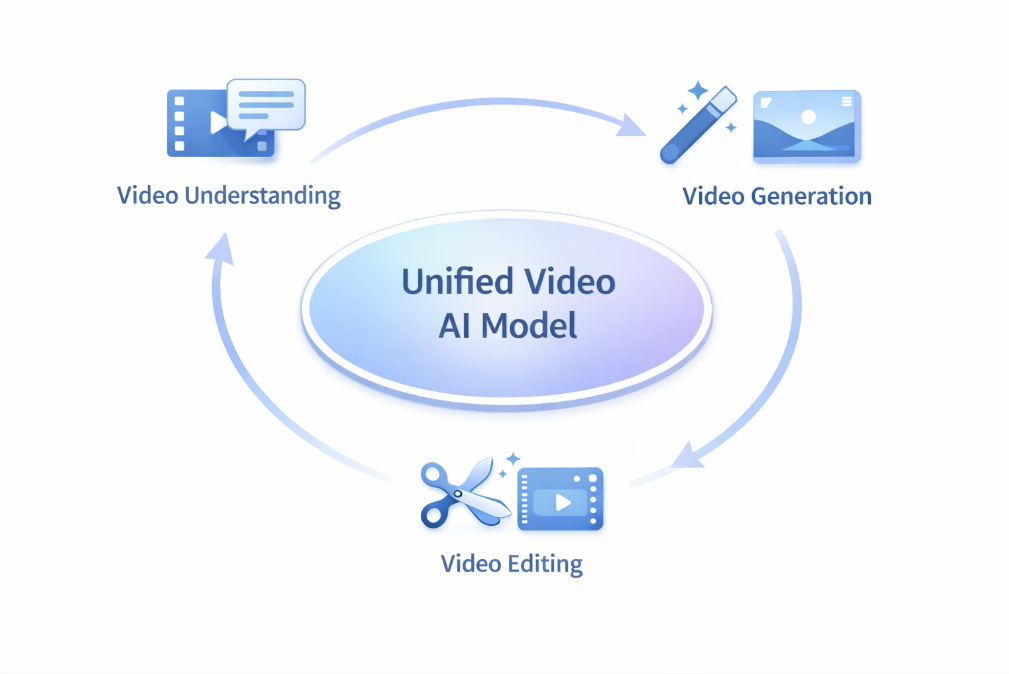
UniVideo supports video understanding, video generation, and instruction-based video editing in one unified video AI model.
At a high level, UniVideo is designed as a multimodal video AI system. It processes text, images, and videos through a shared representation, allowing a single model to adapt to different video tasks based on user input and instructions.
Unlike traditional pipelines that require separate models for understanding, generation, and editing, UniVideo brings these capabilities together in one system. This unified design makes the model more flexible, easier to scale, and better suited for real-world applications where tasks often overlap.
Learn more about the project background on
👉https://www.univideoai.com
1. Video Understanding: How UniVideo Understands Video Content
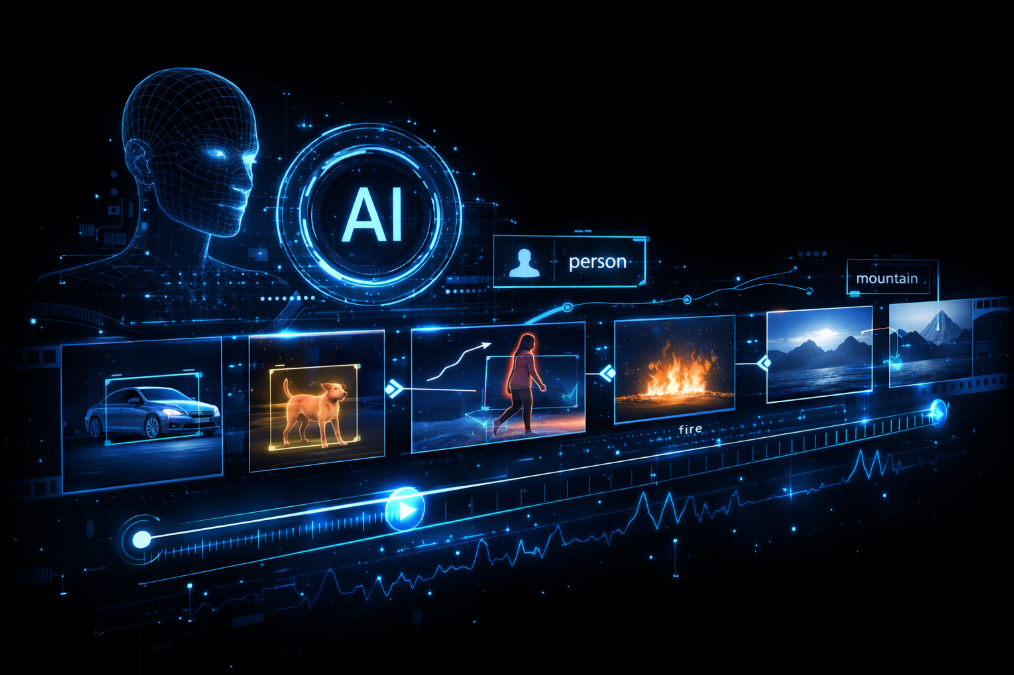
Example of a video understanding AI model interpreting scenes and actions across multiple frames.
Video understanding is the foundation of intelligent video systems. Before a model can generate or edit videos effectively, it must first understand what is happening within the video itself.
UniVideo’s video understanding AI model is designed to interpret both spatial information (what appears in each frame) and temporal information (how content changes over time).
UniVideo can:
Analyze visual content across frames
Understand actions, objects, and scenes
Capture temporal relationships and motion
Generate natural language descriptions of videos
By treating videos as continuous temporal sequences rather than isolated frames, UniVideo achieves a deeper semantic understanding of motion, context, and transitions. This enables more accurate reasoning about events in a video and provides strong contextual grounding for downstream tasks such as generation and editing.
2. Video Generation: From Text and Images to Videos
Text-to-Video Generation
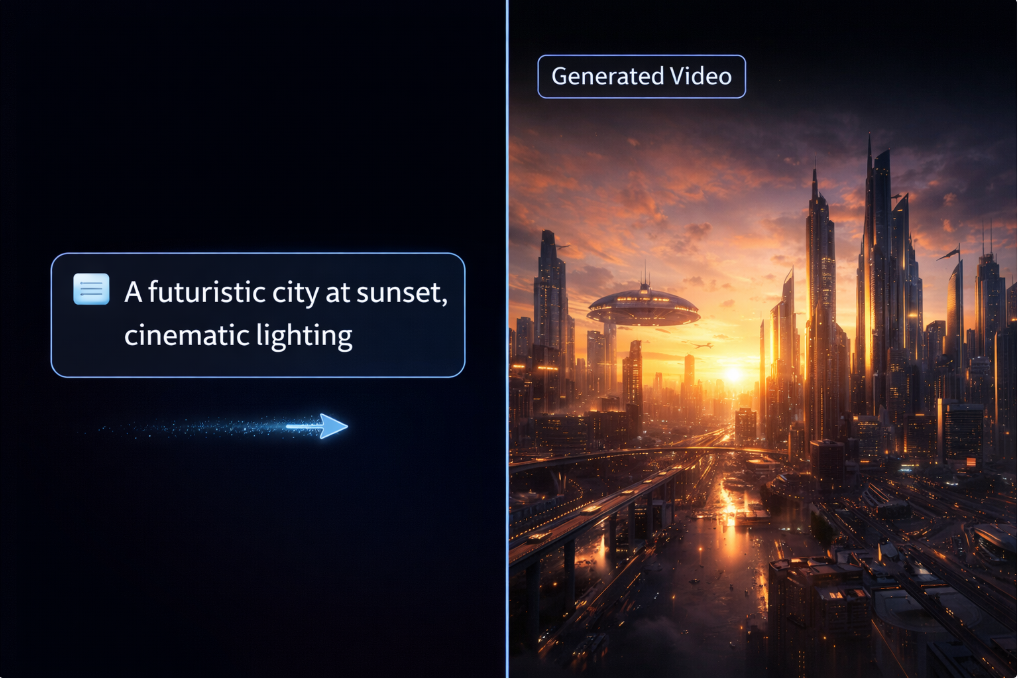
Text-to-video generation example created using a unified video model.
UniVideo supports text-to-video generation, allowing users to describe scenes, actions, and styles using natural language prompts. The model then generates coherent video sequences that align closely with the intent of the prompt.
Because UniVideo shares representations between understanding and generation, it achieves:
Improved semantic alignment between prompts and visuals
Better temporal consistency across frames
Stronger generalization to unseen descriptions
Instead of treating text and video as separate domains, UniVideo integrates language directly into the video generation process, enabling more controllable and realistic results.
Explore how text prompts translate into videos on
👉 UniVideo AI video generation
Image-to-Video Generation
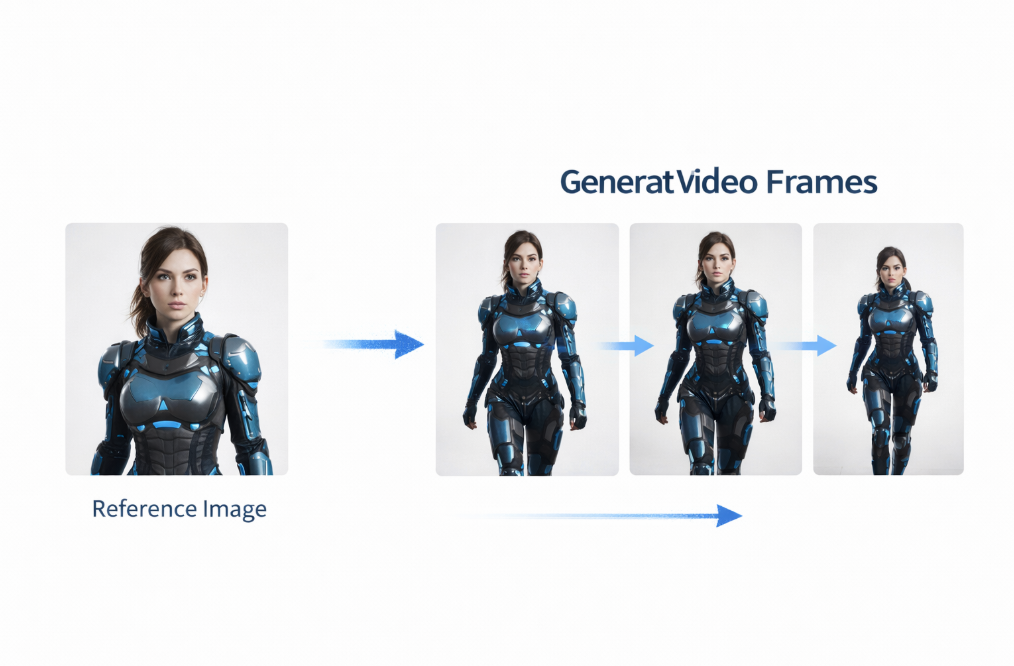
Image-to-video generation example demonstrating reference consistency.
In addition to text, UniVideo supports image-to-video generation. Users can provide reference images to guide the appearance, structure, or identity of generated videos.
This capability is particularly useful when visual consistency matters, such as:
Preserving character identity
Maintaining visual style across motion
Animating static images into short video sequences
By leveraging the same unified framework, UniVideo ensures that motion and appearance remain coherent throughout the generated video.
3. Video Editing: Instruction-Based and Context-Aware
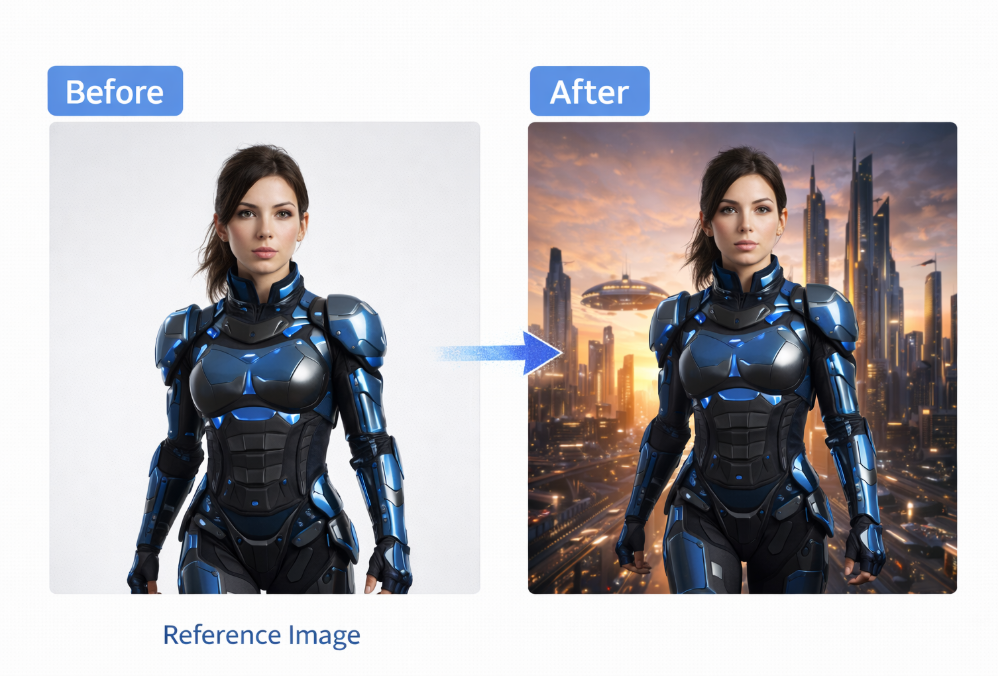
Instruction-based video editing example showing before-and-after results.
Video editing is one of the most challenging tasks for AI, especially when edits must remain consistent across time. UniVideo addresses this challenge with instruction-based video editing, allowing users to modify videos using natural language commands.
Supported editing tasks include:
Object replacement or removal
Background changes
Style modification
Motion-aware edits across frames
A key strength of UniVideo is its in-context learning capability. By learning from examples, the model can apply editing patterns to new videos without requiring retraining. This makes video editing more flexible, efficient, and accessible to users without specialized technical expertise.
How UniVideo Combines Understanding, Generation, and Editing
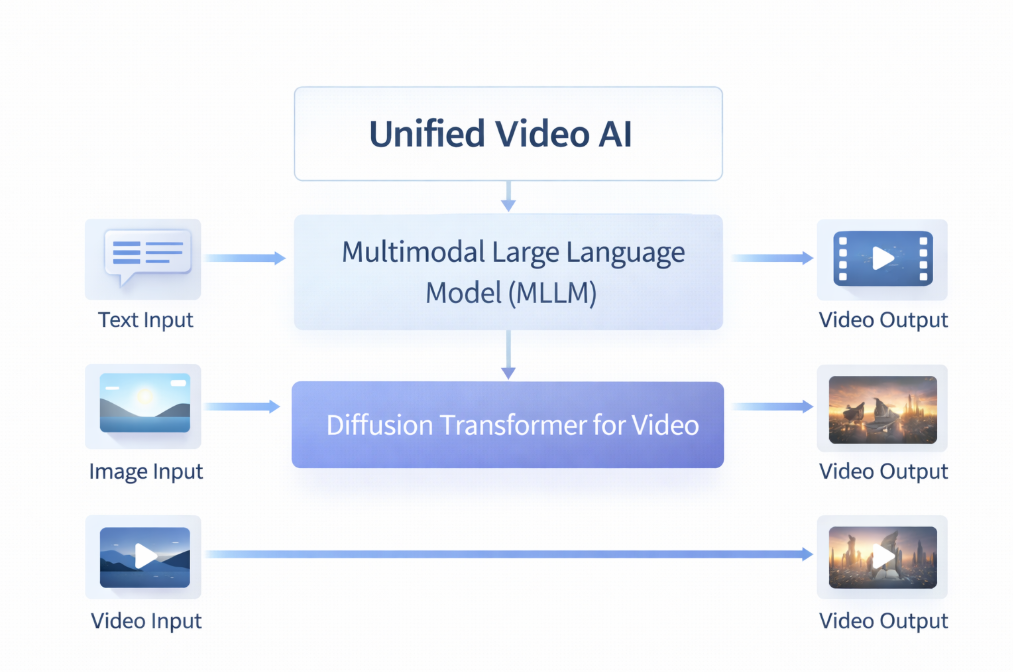
Unified video AI architecture combining understanding, generation, and editing.
At the architectural level, UniVideo adopts a unified video model architecture that connects understanding, generation, and editing within a single system.
This design avoids fragmented workflows that rely on multiple task-specific models and instead enables:
More consistent outputs across tasks
Simpler deployment and maintenance
Better generalization across diverse video scenarios
By sharing knowledge across tasks, UniVideo can transfer insights from video understanding to generation and editing, resulting in more coherent and context-aware outputs.
For technical updates and future releases, visit
👉https://www.univideoai.com
Real-World Use Cases of UniVideo
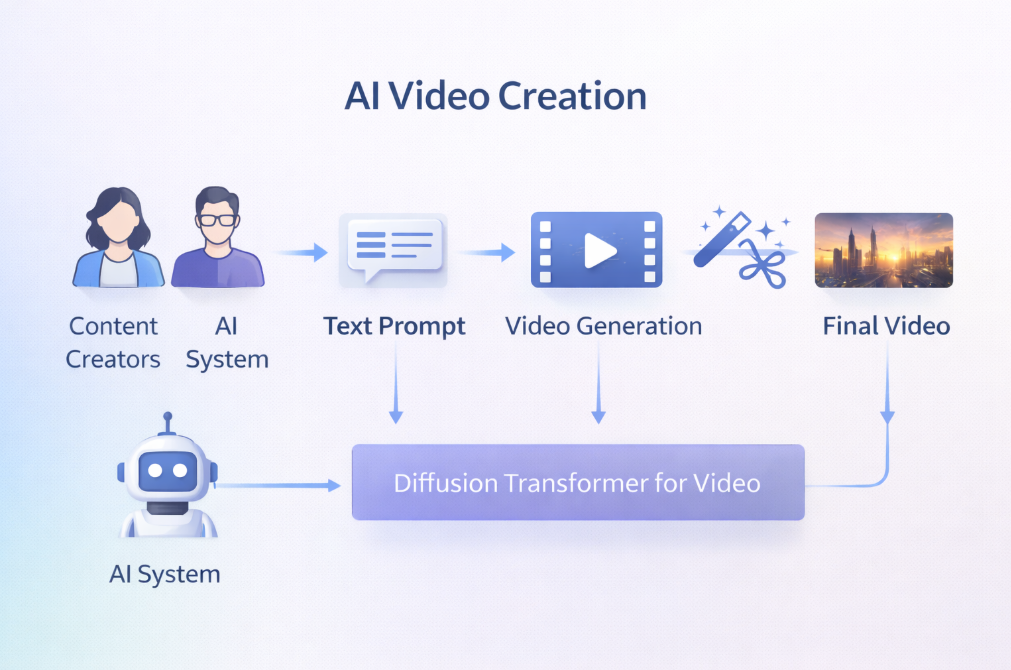
Unified video AI workflows for content creation and editing.
UniVideo’s unified capabilities unlock a wide range of real-world applications, including:
AI-powered video content creation for marketing and media
Natural language-based video editing workflows
Research on video foundation models and multimodal learning
Creative experimentation with text, image, and video inputs
By reducing the need for multiple tools, UniVideo simplifies video workflows and enables faster iteration from idea to final output.
Why Unified Video Models Matter
UniVideo represents a shift from task-specific video systems to general-purpose video intelligence.
Unified video foundation models reduce system complexity, improve consistency across tasks, and enable cross-task learning. As video continues to dominate digital content, models like UniVideo point toward a future where a single AI system can handle the full video lifecycle—from understanding to creation to editing.
Final Thoughts
So, what can UniVideo do?
UniVideo can understand videos, generate new video content, and edit existing videos—all within one unified AI model. This makes it a strong foundation for the next generation of video AI systems and a powerful tool for creators, developers, and researchers alike.
To learn more about UniVideo and explore future updates, visit
👉UniVideo AI Official Website
👉 If you haven’t read it yet, start here:
What is UniVideo: A Smarter Way to Create AI Videos With AI